
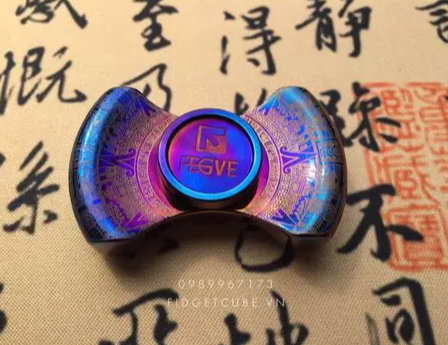
Two titanium coloration methods dominate EDC products: anodizing and thermal oxidation (commonly called “bluing”). Both create colorful titanium without paint or coating—but the processes differ fundamentally, as do the results. Understanding these differences helps you choose pieces that match your priorities.
The Science: Why Titanium Colors
Both anodizing and bluing leverage the same phenomenon: titanium dioxide (TiO₂) layers refract light differently at different thicknesses. By controlling layer thickness, we control perceived color.
Think of oil on water—the rainbow colors you see are thin-film interference. Titanium’s oxide layer creates similar effects, with color determined by oxide thickness rather than pigment.
Anodizing: Electrochemical Color
Process
Anodizing electrochemical process:
- Clean titanium part thoroughly
- Submerge in electrolyte solution (typically sulfuric or phosphoric acid)
- Apply electrical current—the titanium is the anode
- Oxygen generation at the surface builds oxide layer
- Thickness (and thus color) determined by voltage and time
Characteristics
- Color range: Yellow, gold, bronze, blue, purple, green—voltage-dependent
- Consistency: Excellent batch-to-batch reproducibility
- Thickness: Typically 0.1-0.5 microns
- Durability: Hard-anodized layers are wear-resistant; standard anodizing can scratch with sharp objects
Pros and Cons
Advantages: Precise color control, consistent results, no heat exposure (no thermal stress), color options unavailable through other methods.
Disadvantages: The oxide layer is thin—aggressive scratching removes color. Color can fade with UV exposure over years.
Bluing: Thermal Oxidation
Process
Bluing (thermal oxidation) process:
- Clean titanium part thoroughly
- Heat to 400-600°C in controlled environment
- Monitor color development as oxide layer grows
- Quench to stop progression
Temperature determines color:
- 200-300°C: Straw yellow
- 300-400°C: Gold
- 400-500°C: Blue
- 500-600°C: Purple/magenta
Characteristics
- Color range: Straw through purple—temperature-dependent
- Consistency: Variable—oven hot spots, part geometry, and timing create natural variations
- Thickness: 1-5 microns (10x thicker than anodizing)
- Durability: Superior—thicker oxide layer resists scratches better
Pros and Cons
Advantages: Extremely durable coloration, unique gradients possible (gradient heating creates color transitions), each piece slightly unique, no coating to wear through.
Disadvantages: Heat treatment can affect temper/hardness of the titanium, less color consistency batch-to-batch, requires specialized equipment.
Comparison Table
| Property | Anodizing | Bluing (Thermal Oxide) |
|———-|———–|————————|
| Process | Electrochemical | Thermal |
| Color range | Yellow → Blue → Purple | Straw → Blue → Purple |
| Consistency | High | Variable |
| Durability | Moderate | Excellent |
| UV stability | May fade over years | Excellent |
| Thickness | 0.1-0.5 µm | 1-5 µm |
| Cost | Lower | Higher |
| Uniqueness | Batch-matched | Each piece unique |
Which Should You Choose?
Choose Anodizing If:
- You want precise color matching across pieces
- You’re buying limited edition runs where consistency matters
- You prefer specific colors (bright blue, green) unavailable through bluing
- Budget is a primary consideration
Choose Bluing If:
- Durability is paramount—your pieces take daily carry abuse
- You appreciate unique-to-you coloration
- You want gradients or natural color transitions
- Long-term color stability matters to you
FEGVE’s Approach
FEGVE primarily uses bluing for their premium pieces—D-rings, keychains, and collector items benefit from the durability advantage. Anodizing appears in specific product lines where color consistency across production batches matters more than maximum durability.
Understanding the process helps you evaluate pieces: a blued gradient keychain and an anodized blue keychain look similar but age differently. After two years of daily carry, the blued piece maintains color; the anodized piece shows wear marks where friction removes the thin oxide layer.
Related Reading:
• Titanium Surface Finishes Explained — Complete surface finish guide
• Why Titanium Is the Ultimate EDC Material — Material science deep dive
Frequently Asked Questions
Q: Can you touch up a scratched anodized or blued surface?
A: Anodizing: re-anodizing the affected area is possible but color matching is difficult. Bluing: re-heating the affected area can restore color, but requires matching the original temperature curve.
Q: Does bluing weaken titanium?
A: Properly controlled thermal oxidation doesn’t significantly affect titanium strength. However, overheating or uneven heating can cause issues. Quality manufacturers control the process carefully.
Q: What’s a “gradient” blued finish?
A: Partial heating creates color transitions across the piece—straw at one end, blue at the other, with smooth gold/purple transitions between. This is impossible to achieve through anodizing and highly valued by collectors.