
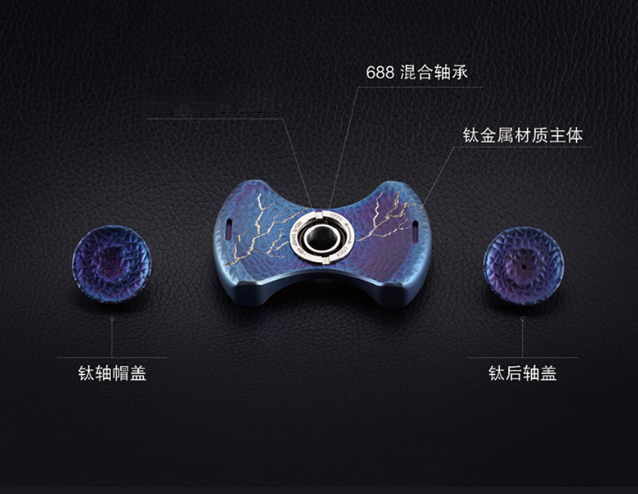
Every EDC decision involves tradeoffs. When choosing between titanium and steel, weight is often the deciding factor. But the weight difference isn’t as simple as “titanium is lighter.” The real story involves density, strength, and intended use.
The Density Argument
Here’s the fundamental data:
- Grade 5 Titanium (TC4): 4.51 g/cm³
- 304 Stainless Steel: 8.00 g/cm³
- 316 Stainless Steel: 8.00 g/cm³
- Aluminum (6061): 2.70 g/cm³
Titanium is 56% the density of stainless steel. That means a titanium spanner that’s the same size as a steel one weighs 44% less. For pocket carry, this difference matters.
Strength Considerations
Density alone doesn’t tell the full story. Strength-to-weight ratio is more relevant for EDC applications:
- Titanium (TC4): Tensile strength ≥895 MPa, density 4.51 g/cm³ = strength-to-weight ratio ~198 MPa/(g/cm³)
- Steel (304): Tensile strength ~515 MPa, density 8.00 g/cm³ = ratio ~64 MPa/(g/cm³)
Titanium’s strength-to-weight ratio is approximately 3x better than stainless steel. You can make titanium parts thinner and lighter while maintaining equivalent strength.
Real-World Weight Comparisons
Spinners:
- Steel spinner (similar design): ~85g
- Titanium spinner (equivalent size): ~48g
- Savings: 37g (43% reduction)
Keychain Carabiners:
- Steel carabiner (comparable size): ~35g
- Titanium carabiner: ~18g
- Savings: 17g (49% reduction)
Pry Tools:
- Steel pry bar: ~65g
- Titanium pry bar: ~32g
- Savings: 33g (51% reduction)
When Steel Makes Sense
Titanium isn’t always the answer:
- Cutting edges: Steel holds sharper edges longer; titanium dulls faster
- Cost sensitivity: Titanium costs 5-10x more than steel by weight
- Magnetic requirements: Titanium is non-magnetic; some applications require magnetism
- Maximum hardness: Tool steels can reach higher hardness than titanium
Surface Treatment Differences
Steel and titanium respond differently to surface treatments:
- Stonewash: Works well on both; hides scratches on titanium especially well
- Blued finish: Titanium bluing creates unique blue-purple gradients; steel bluing is more uniform
- Polishing: Steel achieves higher polish; titanium’s polish shows more wear
- Anodizing: Titanium anodizes in vivid colors; steel cannot anodize
The Verdict
For most EDC applications, titanium’s weight advantage is real and meaningful. A titanium carry system can be 40-50% lighter than equivalent steel, with no sacrifice in strength. The tradeoff is cost—but for users who appreciate premium materials and notice weight differences, titanium delivers genuine value.
Frequently Asked Questions
Q: Is titanium stronger than steel?
A: Strength depends on the specific steel and application. For strength-to-weight ratio, titanium wins. For absolute hardness or edge retention, tool steels excel.
Q: Does titanium rust?
A: No. Titanium forms a passive oxide layer that prevents corrosion in virtually all environments.
Q: Why do titanium EDC pieces cost so much more?
A: Raw titanium costs more, machining is slower (due to work hardening), and tooling wears faster. The entire production process is more expensive.
Q: Can I machine titanium at home?
A: Yes, but it requires sharp carbide tooling, slow speeds, and patience. Titanium work-hardens quickly if you’re not careful.