
Surface Finish Isn’t Just About Looks
When choosing a titanium EDC tool, the surface finish affects three things: how it looks, how it feels, and how it ages. A mirror-polished keychain and a stonewash keychain are the same titanium — but they behave completely differently in your pocket.
Stonewash
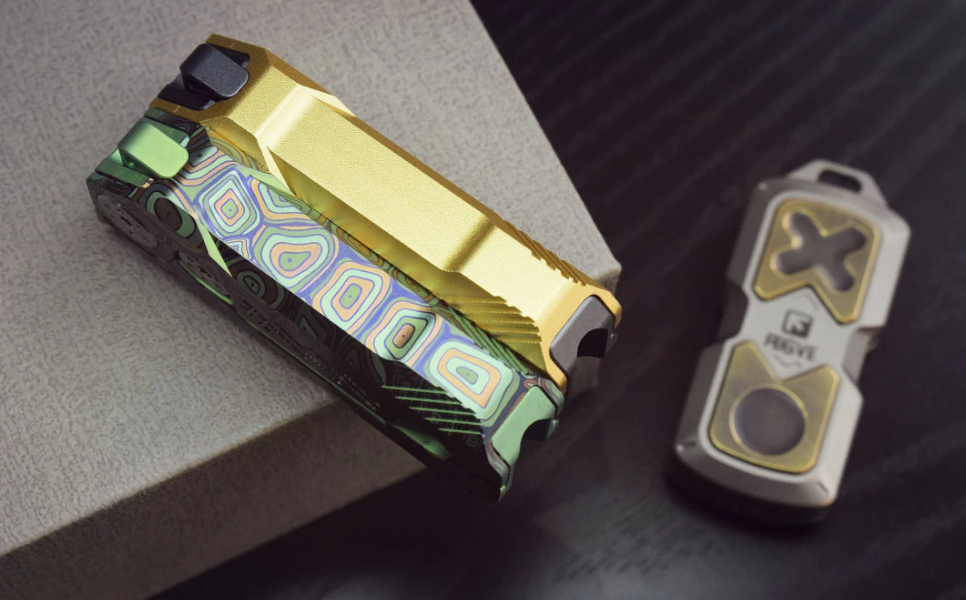
How it’s made: Parts tumbled with ceramic media for 2-4 hours. Uniform micro-indentations scatter light, creating a matte texture.Feel: Slightly textured — more grip than polished, less than meteorite crater. Doesn’t collect pocket lint.Aging: The best aging profile. Existing texture means scratches blend in. A year of carry looks better than new.Best for: Daily carry. If you buy one finish, make it stonewash.
Blued (Thermal Oxidation)
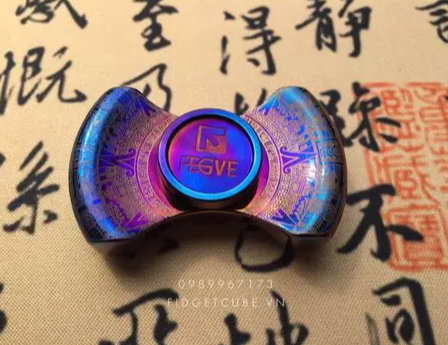
How it’s made: Heated to 400-600°C. The TiO₂ oxide layer thickens, producing interference colors.
| Temperature | Color |
|---|---|
| ~370°C | Pale straw |
| ~400°C | Gold |
| ~500°C | Blue |
| ~550°C | Purple |
Feel: Identical to bare titanium (oxide is 30-160nm thick — too thin to feel).Aging: Color can’t chip or peel (it is the oxide, not a coating). Softens gradually with abrasion. Most find the aged look appealing.Best for: Display pieces, collectors, color without coating maintenance.
Gradient
How it’s made: Selective heating creates a color transition — natural silver to deep blue/purple. Every piece is one-of-a-kind.Best for: Collectors who want a unique piece.
PVD / DLC
How it’s made: Vacuum chamber, ion bombardment deposits 1-5μm film. DLC = black (HV 2000-4000 hardness). TiN = gold. TiAlN = rose gold.Feel: Smoother than bare titanium. Glass-like.Aging: Excellent when intact — coating is harder than titanium. But if breached, the contrast is visible. It’s either pristine or damaged.Best for: Blacked-out aesthetics, maximum scratch resistance.
Anodized
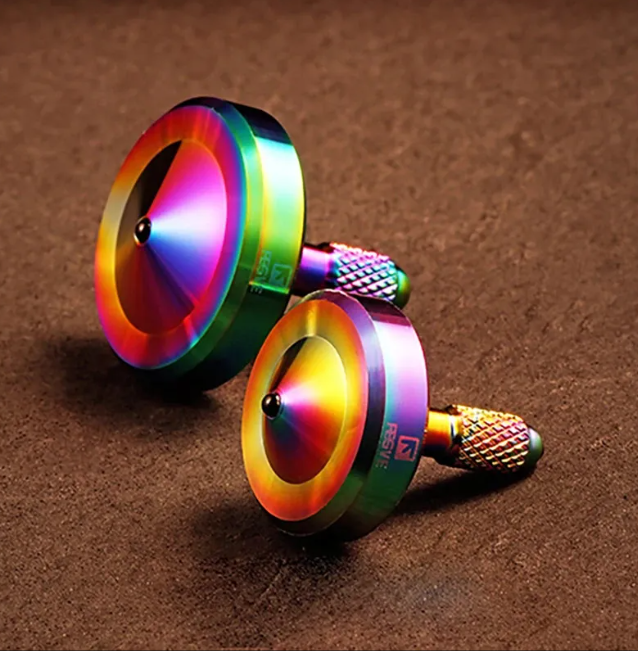
How it’s made: Electrochemical process — part as anode in electrolyte. Voltage controls oxide thickness = color.Look: Vibrant, saturated colors (blues, purples, greens, pinks, full rainbow). More vivid than thermal bluing.Best for: Bold color options, display pieces.
Meteorite Crater
How it’s made: CNC-engraved with ball-nose end mill, then hand-finished to break sharp edges. FEGVE’s signature texture.Look: Uniform craters catch and scatter light. Dynamic, organic. Combined with bluing, color pools in craters for stunning depth.Feel: Tactile, grippy, not abrasive. The most textured finish FEGVE offers.Aging: Craters collect hand oils, developing two-tone patina. Improves with months of carry.Best for: Premium keychains, tactile satisfaction.
Mirror / Polished
How it’s made: Progressive diamond paste polishing (15μm → 0.5μm). 1-3 hours per part.Look: Jewelry-grade mirror. Most visually striking — and highest maintenance.Aging: Every fingerprint and scratch is visible. Not recommended for daily pocket carry.Best for: Display pieces, desk objects, special occasions.
Comparison
| Finish | Scratch Visibility | Grip | Maintenance | Aging |
|---|---|---|---|---|
| Stonewash | Very Low | Medium | None | Excellent |
| Blued | Medium | Normal | Low | Good |
| Gradient | Medium | Normal | Low | Good |
| PVD/DLC | Low (binary) | Smooth | Low | Good (if intact) |
| Anodized | Medium | Normal | Low | Fair |
| Meteorite Crater | Very Low | High | None | Excellent |
| Mirror | Very High | Low | High | Poor for carry |
How to Choose
Daily pocket carry: Stonewash. Hides scratches, develops character, zero maintenance.Display and collection: Blued, Gradient, or Anodized.Tactical/blackout: DLC black.Tactile satisfaction: Meteorite Crater.Special occasions only: Mirror.
Frequently Asked Questions
Can I change the finish on my FEGVE product?
Technically yes (re-machine and re-treat), but not cost-effective. Choose carefully.Is DLC the same as Cerakote?
No. DLC is vacuum-deposited (HV 2000-4000). Cerakote is spray-applied ceramic-polymer (9H). FEGVE uses DLC for superior hardness on small parts.Learn more about titanium as an EDC material.