
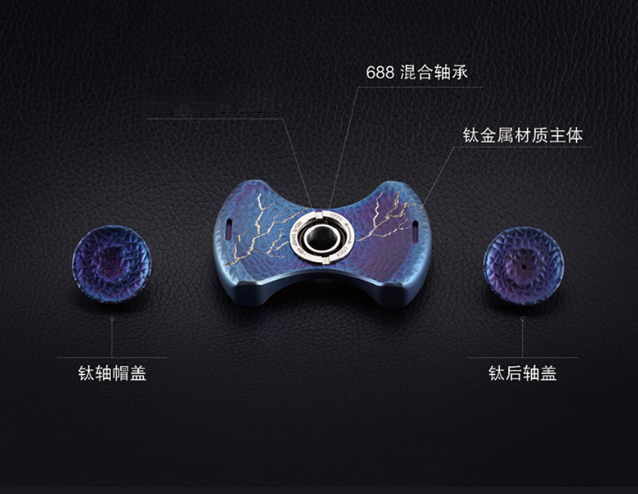
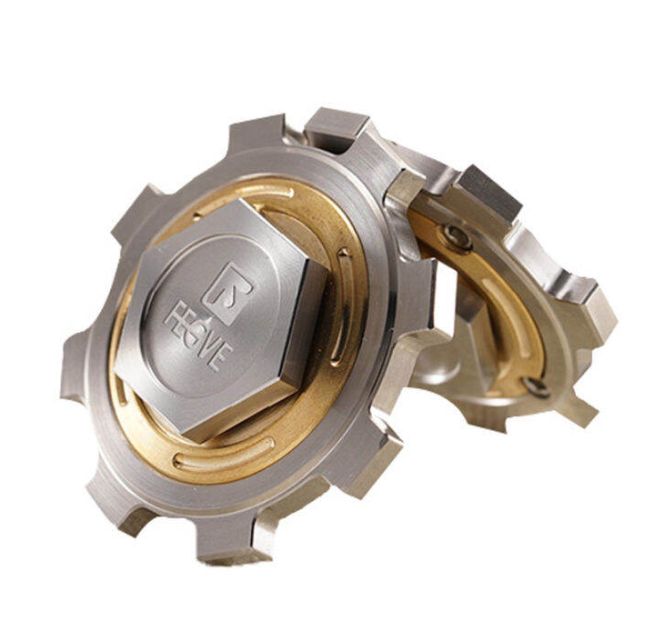
It Starts With a Drawing — Not a Block of Metal
Most people assume titanium EDC products start with a CNC machine. They start with a 3D model and a question: what does this part actually need to do?FEGVE’s design process is driven by function, not aesthetics. The first priority: will this mechanism work? Is this wall thickness sufficient? Will it fail under stress?
Step 1: 3D Design & Engineering
Wu designs every product in SolidWorks with:FEA (Finite Element Analysis): Stress simulations on spring clips, pivot points, and thin-wall sections. The software predicts failure points, and Wu adjusts geometry before cutting metal.Tolerance stackup analysis: When multiple parts assemble together (like the Heaven-Earth Edge nail clipper), each dimension has a tolerance range. Worst-case stackup is calculated to ensure the mechanism works at every extreme.3D-printed prototypes: PLA or resin test models verify ergonomics and mechanism function before committing to titanium.
Step 2: Material Selection
Certified TC4 (Grade 5) titanium bar stock from approved suppliers. Each batch includes:
- Composition certificate (Al 5.5-6.75%, V 3.5-4.5%, balance Ti)
- Hardness test report
- Traceability to the original melt
Incoming QC rejects any material that doesn’t meet specification.
Step 3: CNC Machining
FEGVE’s shop runs 5-axis CNC equipment — the same class used in aerospace manufacturing.2025 investment: ¥6 million in new five-axis machines.The process for a typical titanium keychain:Roughing: High-speed material removal, leaving 0.1-0.2mm stock. Goal: speed.Semi-finish: Removing stock down to 0.05mm. Slower feeds, new tool edges.Finish: Brand-new carbide end mills with TiAlN coating. Tolerance: ≤0.01mm.Tool wear: Tools changed every 2-3 parts on critical features (vs. 20+ for steel). A single end mill: ¥200-500. Complex part: 8-12 different tools.Cycle time: Keychain: 25-45 minutes. Fan rib: 60-90 minutes. Meteorite crater texture: +30-45 minutes per part.
Step 4: Surface Treatment
Stonewash: Tumbled with ceramic media, 2-4 hours. Matte, scratch-hiding.Blued: Heated to 400-600°C. Thermal oxide produces interference colors (straw → gold → blue → purple). No dyes, no coatings.Meteorite Crater: CNC-engraved with ball-nose end mill, then hand-finished. 30-45 minutes machine + 15-20 minutes hand work per part.Mirror: Progressive diamond paste polishing, 15μm → 0.5μm. 1-3 hours per part.PVD/DLC: Vacuum chamber ion deposition. DLC = black, TiN = gold, TiAlN = rose gold. 1-5μm thick, harder than the substrate.
Step 5: Assembly & QC
Nail clippers: Heaven-Earth Edge tested by cutting test media. Yield: 10%.Spinners: Hand-spun to verify balance and spin time. Wobble = disassembly and rework.Keychains: Quick-release mechanisms cycled 50+ times. Spring clip must return without fatigue.Surface: 10x magnification inspection for tool marks, burrs, finish consistency.
Step 6: Packaging
Custom rigid boxes with foam inserts and certificates of authenticity. Gift-ready.
Why This Process Matters
The difference between mass-produced and crafted isn’t always visible — but it’s always felt. A mass-produced keychain works fine on day one. A crafted one works fine on day one thousand. The precision machining, surface quality, and individual QC compound into a product you never think about because it never gives you a reason to.That’s the standard FEGVE designs to: not perfection — reliability.
Frequently Asked Questions
How many products per day?
Simple D-Ring: 50-80/day. TI-TWO with meteorite crater: 15-20/day. Heaven-Earth Edge nail clipper: 5-8 passing units/day.Does FEGVE use automation?
CNC is automated once programmed. Setup, part loading, surface treatment, assembly, and QC are all manual. 30 people — mostly operators and finishers.Learn more about FEGVE’s brand story and why titanium is the ultimate EDC material.